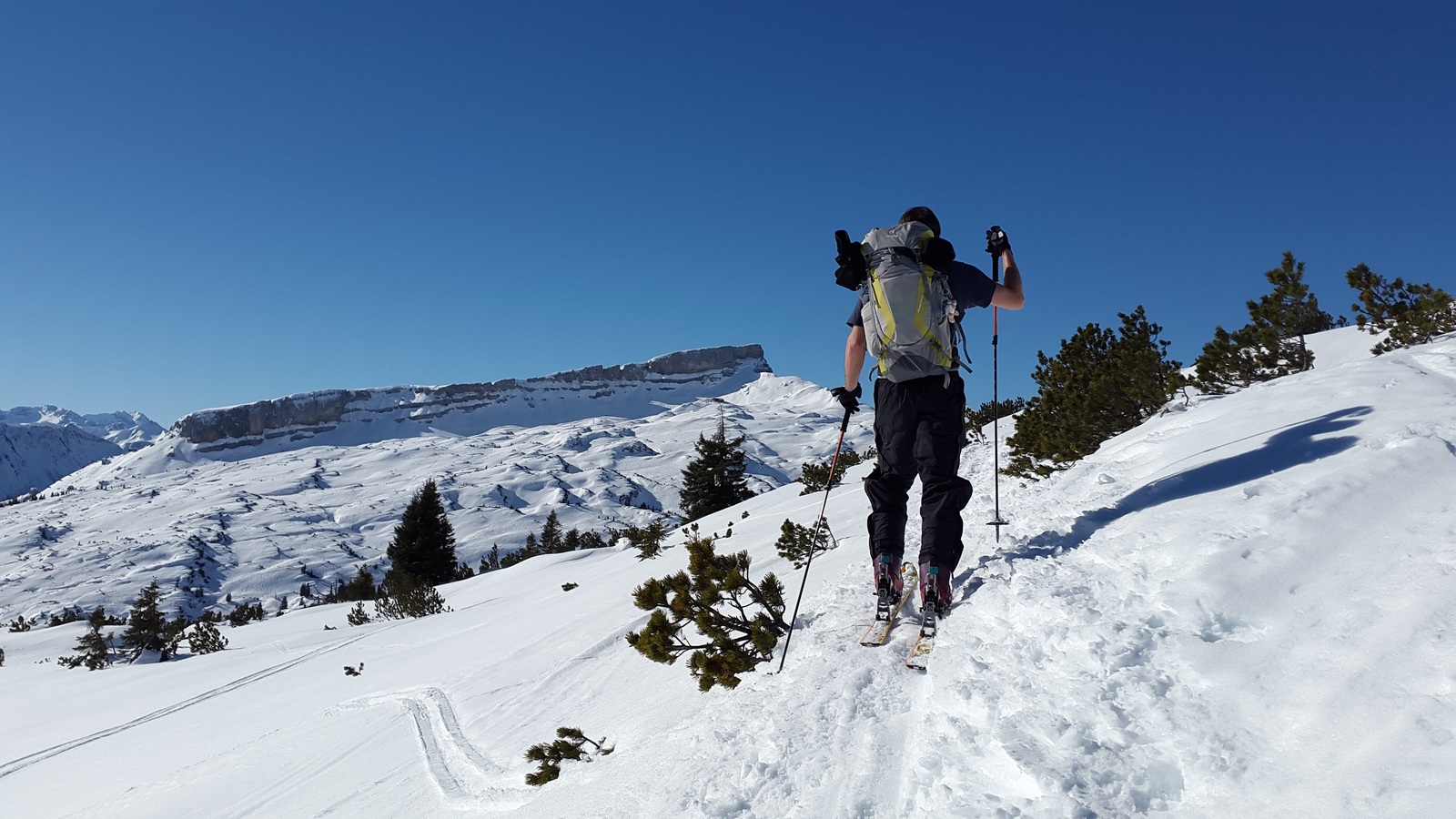
As predicted, Colorado’s backcountry is more popular than ever this winter. Free from the restrictions currently imposed upon Colorado’s ski resorts, the backcountry offers acres upon acres of powder for anyone willing to work for it.
The industry as a whole is flourishing. According to Snowsports Industries America and The NDP Group, August and September 2020 sales of alpine touring equipment—including bindings, boots, and skis—and backcountry accessories such as avalanche shovels, beacons, probes, and skins increased 46% compared to the same period in 2019. Likewise, sales of backcountry split boards—snowboards that separate into halves resembling skis and can be equipped with climbing skins—increased 191% and snowshoe sales increased 221%
However, with the increase in backcountry touring comes the increase in danger. With so many newbies taking part, more users in general, and unsafe conditions, backcountry touring poses more dangers than in previous years. In fact, Colorado recorded four backcountry deaths in December alone.
Thankfully, the Colorado Tourism Office is taking an active part in educating backcountry travelers on the importance of backcountry safety with new, backcountry-focused marketing campaigns and an extensive list of backcountry resources. As a result, backcountry tours and avalanche courses are selling out across the state, making us hopeful that many of these new backcountry users are taking precautions seriously.
But what are you to do if you want to take a backcountry course or avalanche training course but can’t find any availability?
RMOC has the solution for you. We offer private backcountry tours and lessons. All you have to do is give us a call, and we’ll try our best to make it work. We also recommend looking into booking a weekday option, as the backcountry is far less crowded during those times.
Also, most of those new to the backcountry seek out the AIARE certification. While it’s a fantastic course, for a total newbie, any basic intro course or lesson will be extremely beneficial and fun. This training can also be done in a private RMOC trip setting.
However, if you must hit the backcountry because the urge to enjoy that powder is too much, we ask that you follow these tips:
- Don’t go alone, first and foremost. Work on teamwork and communication.
- Learn about the acronym FACETS (familiarity, acceptance, consistency, expert, tracks, social facilitation) to familiarize yourself with human factors that often lead to mistakes or accidents.
- Practice companion rescue drills with your beacon, shovel, and probe.
- Know your gear and how to use it. Make sure it’s functioning properly. Perform beacon checks at the trailhead every single time.
- Finally, avoid avalanche terrain altogether. Not all backcountry is prone to avalanches. Basic knowledge and map reading skills will allow you to stay out of harm’s way.
 RMOC is an equal opportunity service provider. RMOC operates under special use permits from the San Isabel National Forest. All or part of this operation is conducted on Public Lands under special permit from the U.S. Bureau of Land Management.